Analysis by the Head of the Amol Builders Association
Migration to Mazandaran: A Development Opportunity or an Infrastructural Threat?

- Azari sees migration to Mazandaran as a development opportunity that becomes a threat without infrastructure
- Population-attracting factors include natural appeal, road development, remote work, and events of the past decade
- Mazandaran's housing market has been more resilient than the national average, with apartment prices multiplying several times
- Balanced development must cover the needs of all groups, including first-time buyers and the workforce
- Tehran's experience in the 1960s serves as a warning against informal settlement formation in Mazandaran
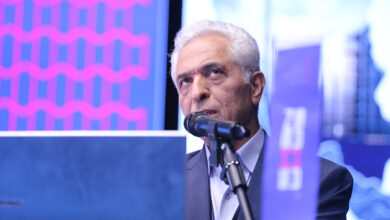
According to SAMA, Jahangir Azari, the head of the Amol Builders Association, examined migration to Mazandaran from natural, infrastructural, social, and economic perspectives at the 24th National Conference and Exhibition of Builders, Developers, and Designers. He described the rising demand for housing as an opportunity that, in the absence of balanced development, could turn into pressure on water, electricity, waste management, roads, and the housing market.
Factors Driving Population Growth in Mazandaran
Azari began his remarks by defining migration, noting that human movement has always been accompanied by the search for new opportunities for life, work, and well-being. From his perspective, the key question for Mazandaran is not whether to stop migration, but whether it can be turned into a development opportunity or allowed to become an infrastructural and social burden.
He first pointed to the province’s natural attractions: the long coastline of the Caspian Sea, the Hyrcanian forests, the high mountains, agricultural and orchard lands, and higher rainfall compared to many parts of the country. According to him, these natural endowments have created a distinct quality of life that, amid water scarcity, air pollution, and land subsidence in some metropolises, has become one of the main factors attracting population.
He cited the development of access routes as the second factor, saying that the Tehran-North Freeway, improvements to the Firuzkuh and Haraz corridors, and reduced travel times have narrowed the mental and actual distance between Mazandaran and Tehran and other cities. As access has become easier, second homes and even permanent residence have become feasible for a larger segment of the population.
Azari also highlighted changing work patterns, noting that the expansion of remote work has allowed managers and business owners to oversee part of their operations from a distance. On the other hand, the very growth of construction activity brings labor, engineers, skilled craftsmen, and new services to the province, and these groups themselves require housing and infrastructure.
He attributed the cluster of events over the past decade—from the coronavirus pandemic to the establishment of the free zone and conditions arising from the war—as additional factors reinforcing migration to Mazandaran. According to Azari, population growth and rising demand for land and housing fuel “inflationary expectations,” and this expectation in turn attracts more capital to the province’s real estate market.
Distinct Behavior of Mazandaran’s Housing Market
To illustrate the distinct behavior of Mazandaran’s market, Azari cited statistics from the period 2011 to 2023 (1390–1402 in the Iranian calendar), stating that based on the figures he referenced, the average apartment price in the province has multiplied several times, while the decline in building permit issuance in Mazandaran has been far less than the national average decline. He interpreted this difference as a sign of more resilient construction demand in the province.
He warned that population growth without infrastructure development would lead to direct pressure on water, electricity, sewage, waste, roads, and internet services. In his view, if migration is to be an opportunity, infrastructure development must proceed in tandem with—or even ahead of—building development.
Balanced Housing and the Needs of Different Groups
The head of the Amol Builders Association then addressed the concept of “balanced housing,” stating that the future market in Mazandaran is not limited to luxury buyers and second-home owners. Native residents, low-income households, the middle class, first-time homebuyers, permanent migrants, renters, the workforce, and investors each have different needs, and any housing plan must account for all these groups.
He cited housing finance systems in some developed countries, noting that young people there can enter the housing market with limited down payments and long-term loans. Azari said the absence of such instruments in Iran should not lead developers to completely disregard the needs of first-time buyers, because a city’s sustainable future is not built solely through luxury units.
He also stressed that investors must see adequate returns for capital flows to continue. Therefore, balanced development, in his view, does not mean eliminating private investment; rather, it means simultaneously considering residential projects, hotels, eco-lodges, commercial, educational, medical, sports, and administrative centers, as well as housing for the workforce employed in these very complexes.
To clarify this point, Azari said that even if a large number of high-quality hotels are built along the province’s main routes, development cannot be measured solely by the number of hotels. Adequate housing and services must also be provided for the employees, service providers, and families who keep the economy of these projects alive.
Lessons from Tehran’s Experience
He cited Tehran’s growth in the 1960s (the 1340s in the Iranian calendar) as a warning, saying that the development of high-rises and industry, without a plan for worker housing, led to the formation of informal settlements and substandard housing. In his view, if Mazandaran focuses only on luxury projects and ignores the needs of other groups, it could face the same social and housing divide alongside its premium developments.
Azari concluded by saying that the private sector naturally views migration as an opportunity, because an influx of population means increased demand and investment potential. But government officials sometimes attribute shortages of water, electricity, roads, and waste management to migration. In his view, the solution is not to halt migration but to turn it into a program for balanced urban and housing development—development that, if managed properly, can make Mazandaran stronger and more sustainable.