A developer's account of choices that shaped his projects
Development Means Standing by Values Even When They Say It’s Not Worth It
- Establishment of post-handover services at Hejazi Group since 2010
- Divan project executed with microcement facade and no stone despite opposition
- Padiav project built lower-rise despite legal capacity for more floors
- Ivan project dedicated a significant portion of land to open space
- Dama project in Izadshahr is the result of previous experiences
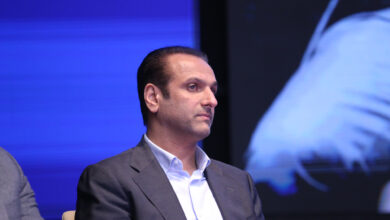
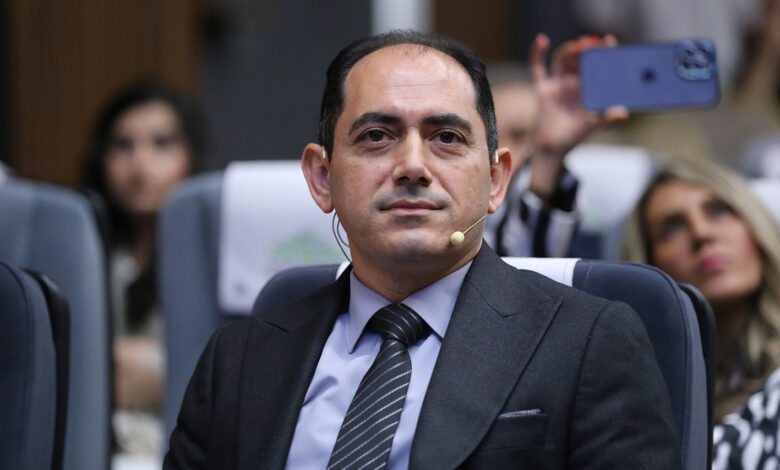
Mehdi Hejazi, a developer and CEO of the Hejazi Construction Group, has defined his development path through post-handover responsibility, customer service, respect for quality of life, and resistance to pressure for building more, drawing on his project experience since 2010.
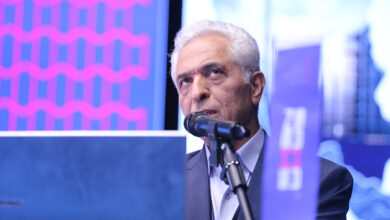
According to SAMA, Hejazi began his remarks with a question: When was the last time someone told you “it can’t be done” and you decided to do it anyway? He described development as a series of decisions in which the builder must choose between short-term profit and the values defined for the product.
Post-Handover Responsibility: From Question to Action
Hejazi referred to his first project in 2010, a four-unit building, which after families moved in raised a new question for him: Does the builder’s responsibility end after handover, or should it continue? The result of this question was the establishment of a post-handover services department in his company, at a time when hotel-style services and professional after-sales support were less common in residential projects.
To explain this approach, he shared two real customer experiences. In one case, a malfunction in the split air conditioner drainage system caused water leakage and damage to a television. The company’s service team followed the issue through to resolution by opening the wall, correcting the drainage path, repairing the plaster, cleaning, and returning for repainting. Hejazi said this experience, while satisfying the customer, also taught the company a technical lesson about the importance of detailing in building services.
In another instance, a broken terrace siphon caused water infiltration and damage to the wooden ceiling of the floor below. According to Hejazi, the service team not only repaired the pipe and ceiling but also tried to restore the wooden details and paint to match the original condition. He said this kind of follow-through turned “post-sale responsibility” into one of the company’s core values.
From Services to Architecture: Decisions That Built Identity
Hejazi explained that this mindset gradually moved from post-handover services to the architecture of projects, where the developer must decide whether to sacrifice quality of life for more sellable floor area. He said that since around 2021, the company’s projects have been shaped by this view, with a stronger focus on architectural identity.
He mentioned the “Divan” project, noting that the decision to use a microcement facade and eliminate stone faced doubt and opposition at the time. Designing units with features different from the local market pattern also raised the question of whether customers would accept them. Hejazi said the company stood by its decision, and the project eventually found its specific audience.
In the “Padiav” office-commercial project, despite the legal capacity to build more floors, the team decided to create a lower-rise and different building. According to him, many considered this “wasting the land,” but the result became a structure now recognized in Amol for its form and spatial quality.
Hejazi cited the “Ivan” project as another example of this approach. He said that on a plot surrounded by much higher occupancy levels, the project team dedicated a significant portion of the land to a courtyard and open space, so residents could experience the grounds and greenery before entering the lobby. In his view, the added value created by this open space is a practical answer to those who initially thought building less was a mistake.
In the “Aftab” project, part of the land was also allocated to a central courtyard, green space, and common areas, a decision again challenged by short-term profit-and-loss calculations. Hejazi said despite this pressure, the project has progressed to its final stages, showing that the quality of common spaces and architecture can itself become a value-creating factor.
Dama Project: The Result of Standing Firm
He then spoke about collaborating with Zandigan Architecture Office on the “Dama” project in Izadshahr, emphasizing that this project is the outcome of a series of previous experiences—experiences of standing by decisions that were repeatedly called “impossible,” “not worth it,” or “valueless.”
In conclusion, Hejazi said that for him, “profit” is not only about the maximum sellable square meters. Respect for an audience that values quality and authenticity, post-handover services, and preserving architectural values are also part of the long-term economy of a developer’s brand.