A growing distance from modern technologies
The Construction Roadmap Has Changed; Industry Players Sound the Alarm
- Ali Nabaei: The construction roadmap has changed, and buildings are moving toward smart systems and new technologies.
- Ali Rahdar: Successful projects are based on three principles: economy, consumer needs, and urban interests.
- Davoud Adineh: The urban ecosystem has changed, and construction in some areas has turned into dormitories.
- Shahrokh Keshavarz: Mixed-use shopping centers are built with a focus on customer experience and respect for visitors.
According to SAMA, professionals in the construction, architecture, and urban development sectors believe that the roadmap for construction has changed, and that past methods and industrial approaches no longer meet today’s needs. In their view, unless construction moves toward alignment with the climate, modern technologies, the real needs of consumers, and urban interests, buildings will merely serve as places for a simple life—not as spaces for sale or quality living. These experts consider successful projects to be those built on three principles: economy, consumer needs, and urban interests, and they stress the importance of customer experience and the urban environment in mixed-use shopping centers.
Warning About Falling Behind Modern Technologies
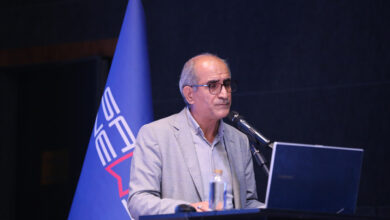
Ali Nabaei, a board member of the Construction Engineering Organization, stated that the construction roadmap has changed, adding: “We have buildings that can no longer be justified in the traditional and industrial way, because construction has moved toward smart buildings, housing, and new technologies.” According to him, if we cannot encourage buildings to be constructed in line with the climate and modern technologies, we will remain in the alleys of memories and the past, and our buildings will effectively be just places for a simple life—not spaces for sale or desirable living.
Three Key Principles of Successful Projects
Ali Rahdar, a member of the Construction Engineering Organization, noted that both approaches—’building for sale’ and ‘building for living’—are important, and stressed: “A project must be economically viable for the developer and also meet the needs of society.” According to this expert, successful projects are those based on three principles: economy, consumer needs, and urban interests.
Changing Culture and Urban Ecosystem
Davoud Adineh, Secretary General of the Iran Employers’ Coalition, pointed to the changing culture of society and said: “In some areas, construction has turned into mere dormitories, while in others it is where people live; that is, the environment and ecosystem considered have changed.” According to him, the urban ecosystem is undergoing transformation, and observations show that the groundwork is being laid for the nature of sports, books, cultural and artistic activities.
Customer Experience at the Core of New Shopping Centers
Shahrokh Keshavarz, representative of the Middle East Council of Shopping Centres in Iran, compared the design and construction of residential complexes to the past and stated: “Today, the design and construction of residential complexes have changed, and the components of service distribution, outline, and quality of life have increased.” In the commercial shopping center sector, according to him, we are in a transition from building traditional arcades to constructing mixed-use shopping centers; in these centers, services are more prominent, customer experience is more prominent, and respect for visitors is more prominent. Essentially, a shopping center is not built merely to meet a simple need, but rather as an urban environment and a symbol of entrepreneurship.