Climate-Appropriate Standardization
Technical Certification of Building Materials Mandated Under Section ۱۹ of National Building Regulations
- Section 19 of the National Building Regulations mandates the use of materials with technical certification
- Standard materials must meet requirements such as fire resistance and moisture resistance
- A material's standard status does not mean it can be used in any climate
- Emphasis on adapting materials to national, environmental, and local standards
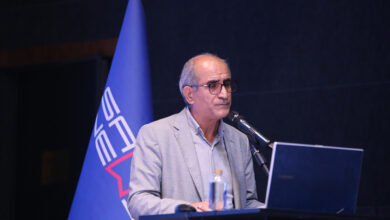
According to SAMA, the Vice Chair of the Energy, Materials Standards, and Environment Commission of the Iranian Construction Engineering Organization (IRCEO) has emphasized the requirements of Section 19 of the National Building Regulations, stating that the use of materials must be based on technical certification and national, environmental, and local standards. He noted that a material’s mere “standard” status does not permit its use in every climate.
Ahmadreza Taheri Asl, Vice Chair of the Energy, Materials Standards, and Environment Commission of the IRCEO, said in an interview that under Section 19 of the National Building Regulations, only materials with technical certification are permitted for use in buildings.
Technical Certification Requirement for Building Materials
He stated that the standardization of materials and the possession of technical certification are among the key issues in construction, adding that Section 19 of the National Building Regulations mandates that materials used in buildings must hold technical certification, and therefore materials need to be directed toward standardization.
Standards Must Meet All Requirements
Taheri Asl clarified that standard materials must satisfy all requirements of the National Building Regulations, including those related to fire safety, fire resistance, moisture resistance, and other parameters defined according to the region and climate.
Standard Status Does Not Permit Use in Every Climate
He emphasized that not every standard material can be used in every location, stating: “It is not the case that if a material is standard, it can be used in any climate; rather, materials must be adapted according to national, environmental, and local standards before use.”
The Role of Owners in Preventing Waste
In conclusion, the Vice Chair of the Energy, Materials Standards, and Environment Commission of the IRCEO expressed hope that officials and owners would consider themselves custodians of their share and, with this perspective, prevent waste. He also stressed the need to move toward standardization in the materials sector.