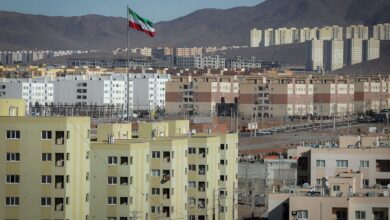
A shift in approach: from building to sell to building for life
Vihan Project: ۳۰+ Amenities Set a New Standard for Living-First Development
- Vihan project designed with over 30 lifestyle amenities in northern Iran
- Independent energy supply enables up to one week of stay without leaving the complex
- Shift from build-to-sell to build-for-life approach
- Spaces like cafés and cinemas replace traditional facilities
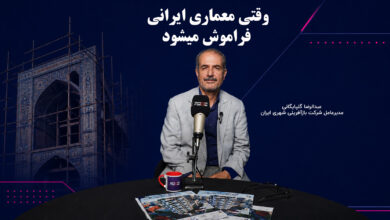
Mostafa Amini, a building industry developer, in an interview with SAMA Studio, underscored the need to shift from a build-to-sell mindset to a build-for-life approach. He unveiled the design of the flagship “Vihan” project in northern Iran, which, with more than 30 lifestyle amenities and self-sufficient energy provision, allows residents to stay for up to a week without leaving the complex.
Changing the construction paradigm: from sales to occupancy
Mostafa Amini, pointing to the necessity of revisiting traditional financing and construction methods, stated that the building industry must move beyond a purely sales-driven outlook toward one where “living in the building” and its day-to-day use take priority.
In his conversation with SAMA correspondent, he stressed that while selling residential units still forms part of developers’ livelihoods, focusing on the quality of occupancy and creating sustainable facilities for residents can generate added value that transcends one-off transactions.
The Vihan project: a landmark with a unique concept
Amini introduced the Vihan project, which he designed as a personal legacy in his father’s hometown, saying: “From the outset, our goal was to create a distinctive, one-of-a-kind project. It is set on a coastal site and spans 10 floors, and from day one we have continuously added new options.”
He added that the number of amenities in the project has grown from an initial 12 to nearly 30, with efforts made to use the best materials available in the country.
Sustainable living: a week of self-sufficient energy
A key feature of the project is its dedicated energy supply system, which, according to the developer, enables residents to use all the complex’s amenities for up to a week without needing to leave the building. He described this capability as a response to the energy needs of the northern region and a strong point for enhancing residents’ quality of life.
Diverse options instead of conventional facilities
According to Amini, the design replaces some common facilities—such as restaurants, which are often underused due to practical limitations—with spaces like a café, mini-bowling alley, private cinema, padel court, car wash, and other recreational amenities. He emphasized that these choices were made to increase resident satisfaction and encourage longer stays.
Emphasizing occupancy as a design priority
In closing, the developer noted that the project’s design philosophy treats the building as a platform for sustainable, high-quality living, not merely a commodity for sale. He suggested that defining landmark projects with diverse, functional amenities could serve as an effective model for other builders.