Three main axes of change in approach
Revising Construction Regulations: An Unavoidable Necessity, Says Tehran Construction Engineering Organization
- Designing shelters for buildings up to 200 square meters for the first time in the history of the Construction Engineering Organization
- Teaching economics to engineers with a focus on the money-time diagram and the use of promissory notes in project financing
- Emphasis on time management and a warning about the prolonged halt of major projects at the skeleton stage
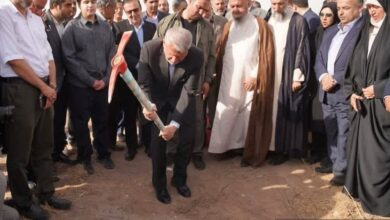
Mehdi Moharrami, Head of the Construction Engineering Organization (CEO) of Tehran Province, in an interview emphasizing the need for transformation in the country’s construction industry, stated that continuing the current trend with past methods and conditions is not possible, and the industry’s roadmap must change. Drawing inspiration from the English proverb, “Change your habits, change your life,” he stressed the need for a shift in approach across three key areas: technical issues, economics, and time.
Revising Technical Issues: A Step Toward Industrialization
Moharrami, criticizing the use of traditional materials, equipment, and methods in construction, asserted that to enter modern construction and resolve the imbalance problem, industrialization must be initiated, and new materials and methods must be adopted. He referred to the measures taken by the Construction Engineering Organization of Tehran Province in this regard, stating: “This organization holds at least two or three specialized and educational meetings every week and has brought approximately five thousand people back into the training arena as specialists, which is a significant number.”
Unprecedented Action: Designing Shelters for Small-Scale Buildings
The Head of the Tehran Construction Engineering Organization announced a notable initiative in the technical domain, saying: “For the first time in the history of the Construction Engineering Organization, a shelter has been designed for buildings up to 200 square meters, and its regulations have been communicated to all relevant authorities.” This measure, undertaken as part of planning for post-war conditions, is considered a unique achievement.
Teaching Economics to Engineers: From Money-Time Diagrams to Project Financing
Moharrami then addressed the second axis of revision—economics—and said: “Economics in construction is the economics of the employer and the project owner, but our engineers have been weak in this area.” For this reason, sessions have been held to familiarize engineers with the money-time diagram. He added: “Given the inflation in the country, engineers must be sensitive to the employer’s economics. In these sessions, engineers have been taught how to use promissory notes (barat) in project financing—a topic neither taught in universities nor in private classes.”
Managing Time and Costs of Delays in Projects
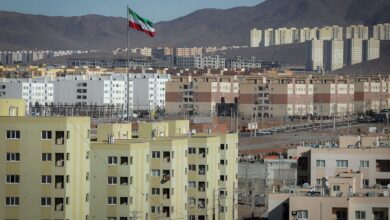
The third axis emphasized by the Head of the Tehran Construction Engineering Organization was the issue of time. Moharrami, noting that many major national projects remain stalled at the skeleton stage for years, warned that these delays, in addition to destroying the project’s economics, sometimes become so prolonged that the building turns into a dilapidated structure before it is even put into use. He stressed that completing a project within the specified timeframe is a fundamental requirement of construction, and one of the most important diagrams a builder must be attentive to is the money-time diagram.
Performance Assessment in Difficult Economic and Wartime Conditions
In response to a question about the organization’s performance over the past two years, Moharrami, while appreciating the efforts of the managers, staff, and members of the Construction Engineering Organization, said that in the unstable economic conditions and during the war period, the organization’s engineers have remained committed. Referring to the presence of engineers in damaged streets to assess the possibility of residential reuse and the provision of free services between the two wars, he deemed these actions worthy of appreciation. The Head of the Tehran Construction Engineering Organization also thanked the media for reflecting these efforts and noted that board meetings have been held regularly and even extraordinarily with a majority vote. According to SAMA, these statements indicate a serious determination to transform the country’s construction industry.