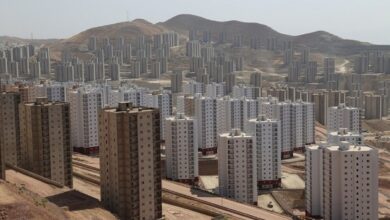
The Urgent Need for Transformation in the Construction Sector
Traditional Production Cannot Meet the Needs of the Construction Industry
- The construction industry acts as an economic defensive shield under current pressures
- The construction industry's lag is due to traditional production and a lack of strategic planning
- Architect training and support from the technical and engineering system are essential for mass production
In an expert interview with SAMA, Abdolreza Farid Naeini, head of the Association of Construction Industry Technologists and Producers, described the construction industry as one of Iran’s leading sectors, upon which a significant number of upstream and downstream industries depend. According to him, at a time when the country faces economic challenges and pressures, the construction industry acts as a major defensive shield for economic stability.
Criticizing the lack of expected transformation in this sector, he stressed the need to cultivate a culture that guides people toward purchasing and using industrialized buildings, asking: “Why, despite the obvious need, have we failed to bring about this major transformation?” In response, he attributed this lag to architects, the government, and builders, adding: “For many reasons, we have not been able to establish this great transformation.”
Engineering Capacities and Historical Precedents
Referring to the country’s human and engineering capacities, this expert highlighted the presence of skilled professionals and a distinguished track record in engineering and architecture as valuable assets, stating: “After countries like Russia and the United States, we are among the nations with capable engineers, and we have a glorious past in this field.” He also pointed to Iran’s significant contribution to the development of human civilization, particularly in architecture.
Traditional Production: The Main Obstacle to Transformation
Farid Naeini identified the continued reliance on traditional production methods and the absence of a codified strategic plan as the root causes of the construction industry’s backwardness, asserting: “We still do not have a strategic, codified plan for transforming traditional production, and this change will not happen merely through manual procedural adjustments.”
Explaining the concept of traditional production, he described its core as the use of repetition capacity, noting: “The concept of traditional production is a simple one, at the heart of which lies repetition and the use of repetition capacity. This approach was first developed in 1997 by the Ford Motor Company in the United States, in relation to the design of automobile production lines. Since then, the world has been engaged in mass production, and the face of the world has been continuously transformed.”
Necessary Infrastructure for Mass Production
The head of the Association of Construction Industry Technologists and Producers further emphasized that mass production in the construction sector requires specific infrastructure, identifying the education of architects as a primary requirement. He added: “For mass production, architects must be trained, and the country’s upstream documents and the technical and engineering system must also support this approach.” According to him, the existing technical and engineering framework is designed for manual methods and cannot align with the entirety of traditional production.
In conclusion, he noted the existence of domestic capacities and capabilities, stressing that the country’s large construction industry remains mired in backwardness, and overcoming this situation requires serious resolve and strategic planning.